

 As we close out the month, March on Guam carries a powerful dual meaning. It is both Mes CHamoru and International Women’s Month, a time to honor culture, ancestry, and the strength of women who shape our communities.
For me, these celebrations are intertwined. My identity as a Chamorro woman informs not only my art, but my ambition, work ethic, and the way I navigate life’s challenges.
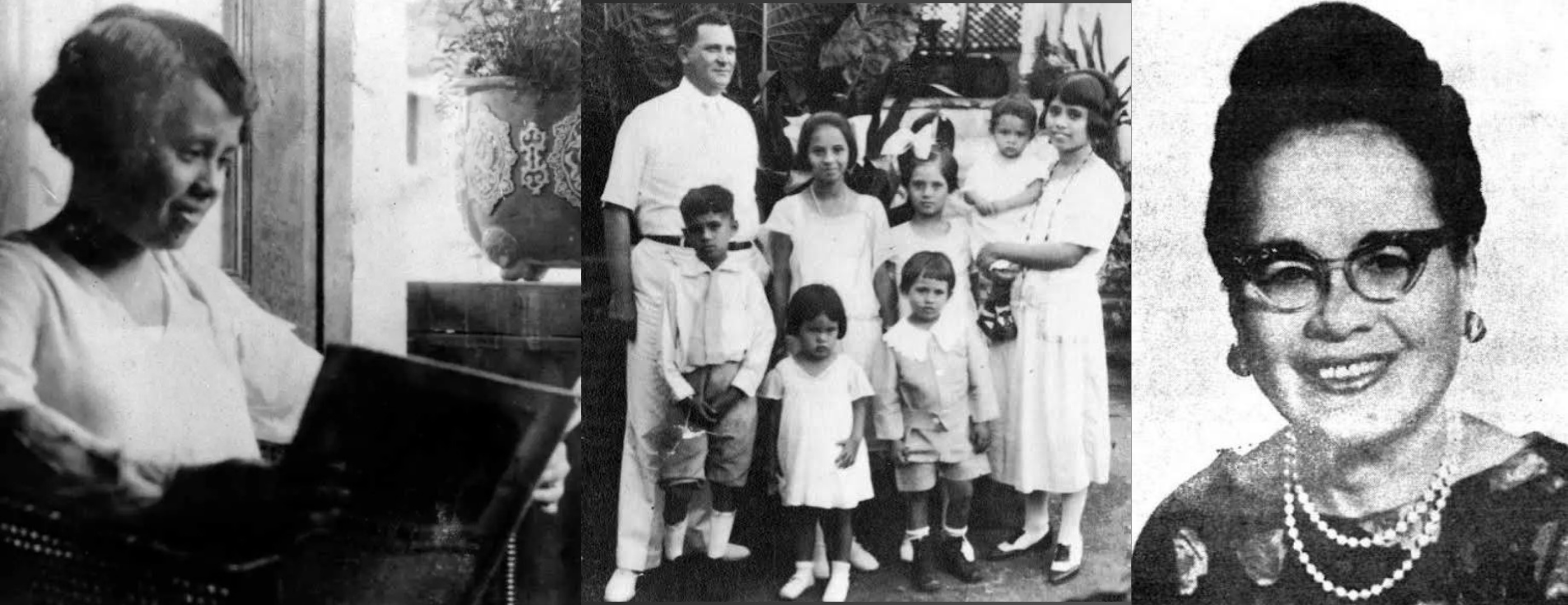
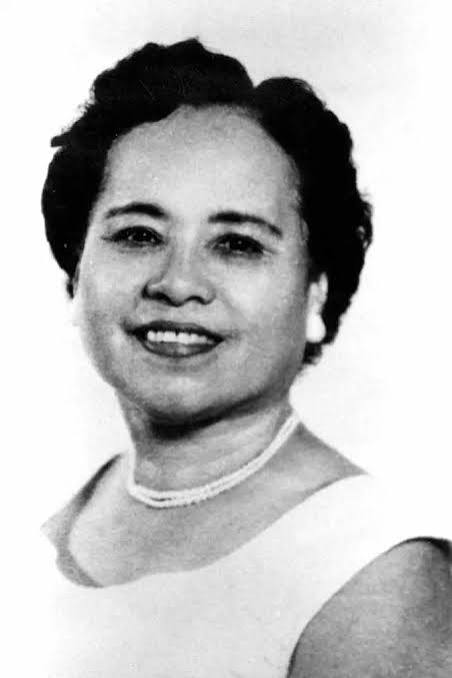
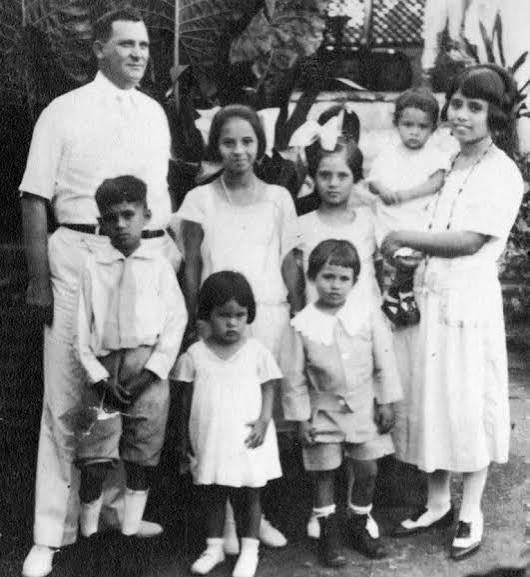
When I think about resilience, I think about my great-grandmother Agueda Iglesias Johnston.
During the Japanese occupation of Guam, Chamorro people were forbidden from speaking their language. Agueda quietly resisted. Our family produced soap on island, and she hid handwritten messages in Chamorro inside the wrappers, circulating information. She was involved in assisting George Tweed, the last known American radioman receiving updates from the U.S. She was suspected, beaten, and tortured. She never gave away any information.
It was a brutal time and resilience wasn’t just some positive feature, it was necessary to survive.
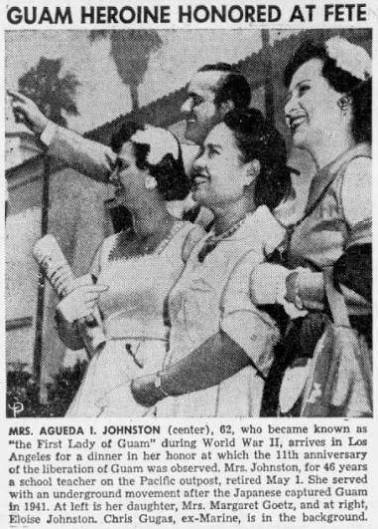 The U.S. returned to recapture Guam on July 21, 1944. This day was named “Liberation Day,” though many on Guam have mixed feelings about the history. During the final days of the occupation, many Chamorros were marched into central areas, while U.S. forces heavily bombed coastal parts of the island. In the midst of this, many Chamorros survived. It was a welcome relief to many who were suffering under the Japanese occupation.
She lost her husband to the concentration camps in Japan and raised seven children on her own during wartime. She continued to build back the broken down schools and restore the education system on Guam from the ground up. She held classes even without walls sometimes. She knew the importance of morale and knowledge, and that the children literally are our future. She created so many long-standing foundations for Guam, such as The Liberation Day Parade and The Guam Girl Scouts, as well as helping start the Guam Museum, Guam Women’s Club, Guam Fine Arts & Historical Society, and much more.
Her strength was not loud. It was strategic and enduring. She carried grief, danger, and motherhood without surrendering her integrity.
I have not lived through war, but I have faced danger in my own time.
 Early on, I navigated toxic relationships, including one that turned violent. I learned quickly that survival sometimes requires clarity and the courage to walk away. Sometimes it meant enduring until you could create an escape.
Years later, I faced a different endurance. I gave birth to two sons at home. There is a whole story behind this, but it was the most challenging and empowering experience of my life. Years later, my next challenge was building stability while raising my sons as a single mother. There were seasons of overwhelm, stretching every dollar, wondering how I would hold everything together.
When my boys were young and I felt that pressure closing in, I thought about Agueda.
Seven children. War. Violence. Loss.
If she could somehow endure that, I could surely overcome this.
Resilience does not skip generations. It evolves.
That perspective did not erase my challenges, but it strengthened my spine. It reminded me that I come from women who built under pressure. Resilience runs through my blood. Creativity is how I carry it forward. It’s how humans have always survived and moved forward.
Creativity became my strategy. When life felt chaotic, I built something. When fear crept in, I focused on what I could control. Stability became my quiet rebellion.
Chamorro women have always been builders. We preserved language in secret. We protected families in crisis. We adapted and endured.
International Women’s Month highlights leadership and progress. Mes CHamoru reminds us of preservation and inheritance. Together, they call us to honor where we come from while choosing how we move forward.
In my studio today, creativity is more than art. It is resilience in action. It is a space where people can pause, reconnect, and create something tangible out of whatever season they are in.
Because sometimes the most powerful thing we can do IS to just keep creating.
You can read more about Agueda and the history at Guampedia.org
as well as Agueda Johnston Middle School’s website.
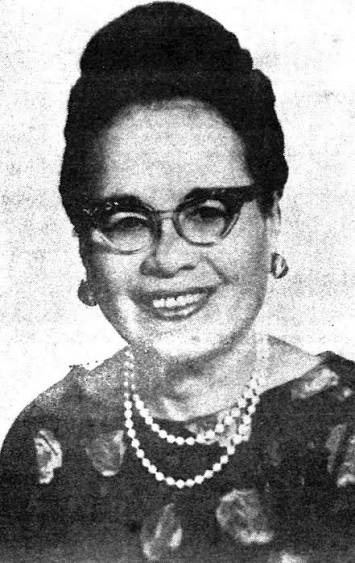
Agueda Iglesias Johnston, December 12, 1892- December 30, 1977